

Reader connection
Readers connected to this book most often reflect General Literary Reader reader archetypes.
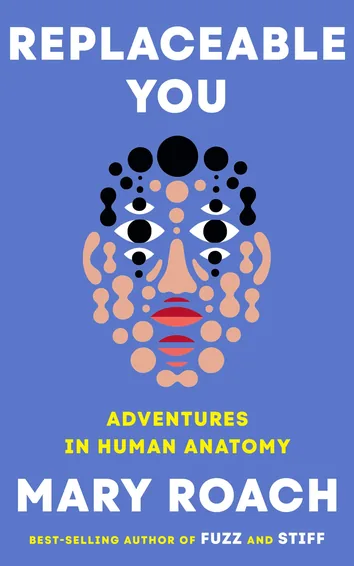
Mary Roach investigates the long history and present efforts to re-create the human body’s most intricate parts. She documents examples such as sculpting noses from brass, borrowing skin from frogs and hearts from pigs, fashioning eye parts from jet canopies, and making breasts from petroleum by-products, and notes that researchers now attempt to grow parts using stem cells and 3D printers.
Roach poses practical questions about prosthetics, donated organs, and anatomical substitution. Her reporting takes her to the OR at a legendary burn unit in Boston, a superclean xeno-pigsty in China, a stem cell hair nursery in San Diego, and on a trip across Mongolia with the cataract surgeons of Orbis International.
Pick a format, then compare retailer prices. The main button points to the preferred option for the selected format.
The description focuses on concrete medical practice, technology, and the choices individuals face when body parts fail. Much of the setup centers on surgeons, researchers, amputees, and organ recovery technicians in settings such as operating rooms, a xeno-pig facility, and a stem cell lab. The book treats advances like stem cells and 3D printing as central to the inquiry and places equal attention on historical improvisations and current laboratory work. This may appeal more to someone interested in practical medical innovation and ethical, real-world dilemmas.
Join bks.social’s reader list for book recommendations, reader updates, featured titles, and occasional community news. No noise. Just the important things.
A concise view of the book’s strongest literary signals and the reading interests shared by people connected to it on bks.social.
Readers connected to this book most often reflect General Literary Reader reader archetypes.

Visit bks.social’s Book Hub for reader discussions, reviews, posts, quotes, questions, reading activity, related books, and G-NRIS story intelligence.