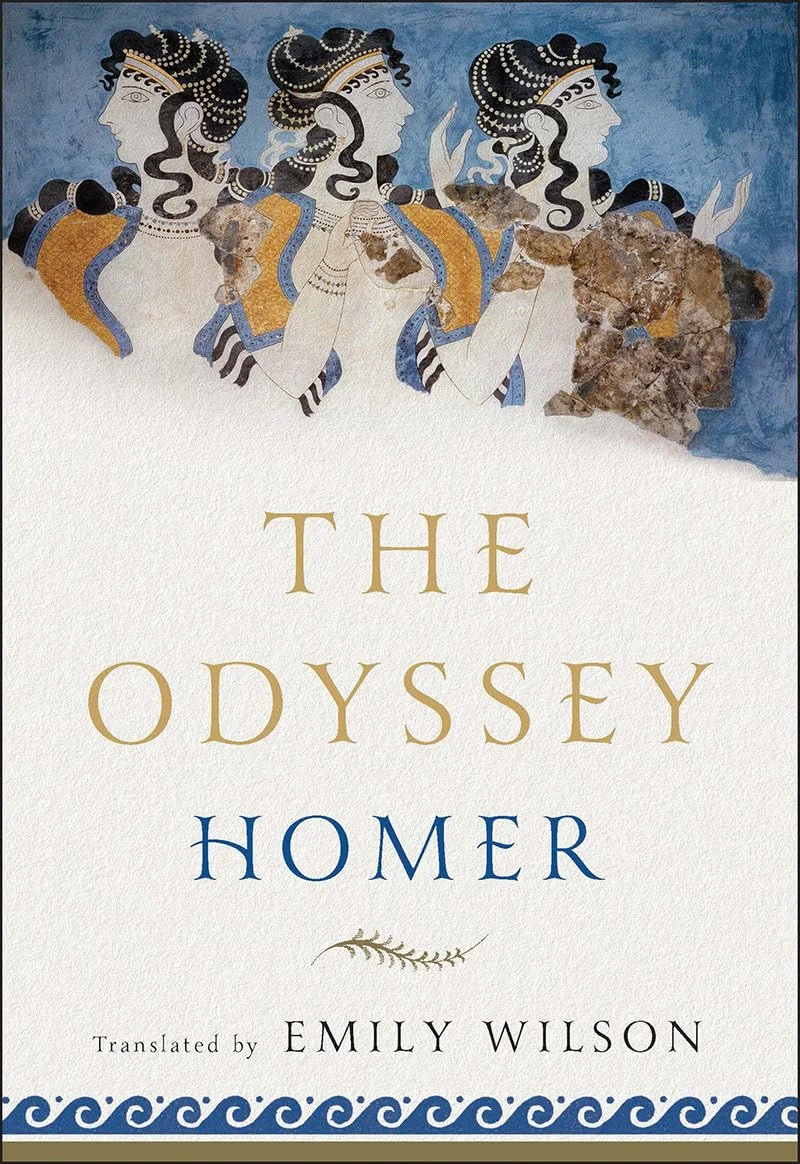

The Odyssey book cover by Homer, Emily Wilson
Amazon customers: 4.7 out of 5 · 9,457 ratings

The Odyssey

By Homer, Emily Wilson
Adult • Ancient & Classical Poetry • Epic Poetry • Classic Literature & Fiction
Homer, Emily Wilson Fiction

Composed nearly three millennia ago, this great epic follows a hero’s long journey home and examines violence and the aftermath of war. The poem investigates wealth, poverty, power, marriage, family, travelers, hospitality, and the yearning for home while presenting unforgettable characters and dramatic narrative encounters.

Emily Wilson’s translation renders the poem in iambic pentameter and a vivid contemporary idiom, preserving the epic’s music and pace. The volume includes a scholarly introduction on the Bronze Age milieu, maps drawn for this edition, a pronunciation glossary, and extensive notes and summaries of each book.

A complicated hero struggles to return home after war, facing violence, encounters with strangers, and the pressures of marriage, family, and power.

Retailer links open in a new tab. As an Amazon Associate I earn from qualifying purchases.

bks.social Reader Actions
👁 Before You Read ✉ Join Reader List
Where to get this book

Pick a format, then choose a retailer. The main button points to the preferred option for the selected format.

Edition information

Book details

View details for:
Publisher
W. W. Norton & Company
Publication date
November 6, 2018
Print length
592 pages
Language
English
ISBN
978-0393356250

Join the Reader List

Join bks.social’s reader list for book recommendations, reader updates, featured titles, and occasional community news. No noise. Just the important things.

G-NRIS™ Story Intelligence

Why readers connect with The Odyssey

A concise view of the book’s strongest literary signals and the reading interests shared by people connected to it on bks.social.

Editorial perspective

The Long Journey Home in Emily Wilson’s Contemporary Verse

Homer’s The Odyssey follows a hero on a long journey home in the aftermath of war. Violence and power shape the world he travels through, while marriage, family, and belonging give his homeward longing its weight.

What makes this book compelling?

Emily Wilson’s translation pairs contemporary language with iambic pentameter, giving the ancient poem a steady rhythmic drive. Dramatic encounters bring questions of hospitality, wealth, and poverty into the homecoming story, while the edition’s introduction, maps, pronunciation glossary, notes, and book summaries offer support along the way.

Who might enjoy this book?

This edition is a strong choice for readers drawn to classical poetry, homecoming narratives, and the tensions between war and family life. It also suits those looking for a contemporary-language verse translation with scholarly guidance.
Reader connection

Readers connected to this book most often reflect Psychological Moral Explorer reader archetypes. Their strongest shared genre interests include Historical Fiction, Psychological Thriller, Literary Fiction, and Noir. They are commonly drawn to themes such as Poverty, Success, Breakthrough Work, and Perseverance.

About the author

Homer, Emily Wilson

Homer, Emily Wilson

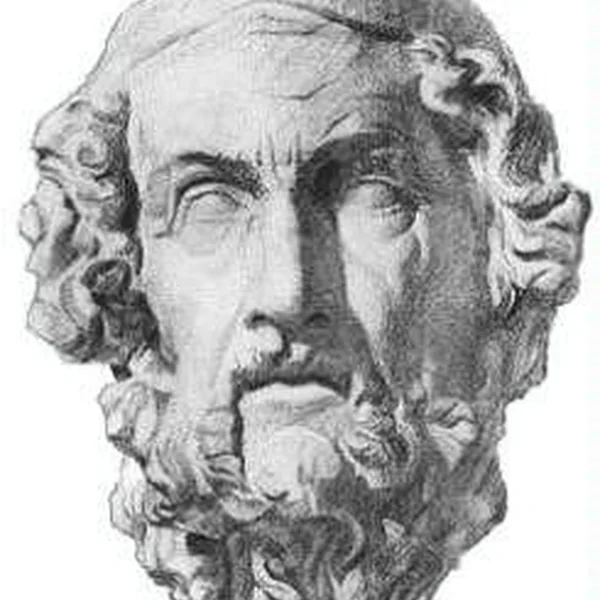
Homer was probably born around 725BC on the Coast of Asia Minor, now the coast of Turkey, but then really a part of Greece. Homer was the first Greek writer whose work survives. He was one of a long line of bards, or poets, who worked in the oral tradition.

Homer and other bards of the time could recite, or chant, long epic poems. Both works attributed to Homer - The Iliad and The Odyssey - are over ten thousand lines long in the original. Homer must have had an amazing memory but was helped by the formulaic poetry style of the time.

In The Iliad Homer sang of death and glory, of a few days in the struggle between the Greeks and the Trojans. Mortal men played out their fate under the gaze of the gods. The Odyssey is the original collection of tall traveller's tales. Odysseus, on his way home from the Trojan War, encounters all kinds of marvels from one-eyed giants to witches and beautiful temptresses. His adventures are many and memorable before he gets back to Ithaca and his faithful wife Penelope. We can never be certain that both these stories belonged to Homer.

In fact 'Homer' may not be a real name but a kind of nickname meaning perhaps 'the hostage' or 'the blind one'. Whatever the truth of their origin, the two stories, developed around three thousand years ago, may well still be read in three thousand years' time.

Join the book lovers community

Continue the conversation in the Book Hub for The Odyssey

Visit bks.social’s Book Hub for reader discussions, reviews, posts, quotes, questions, reading activity, related books, and G-NRIS story intelligence.