
Editorial perspective
Raskolnikov Can Justify Murder, but Cannot Silence His Conscience
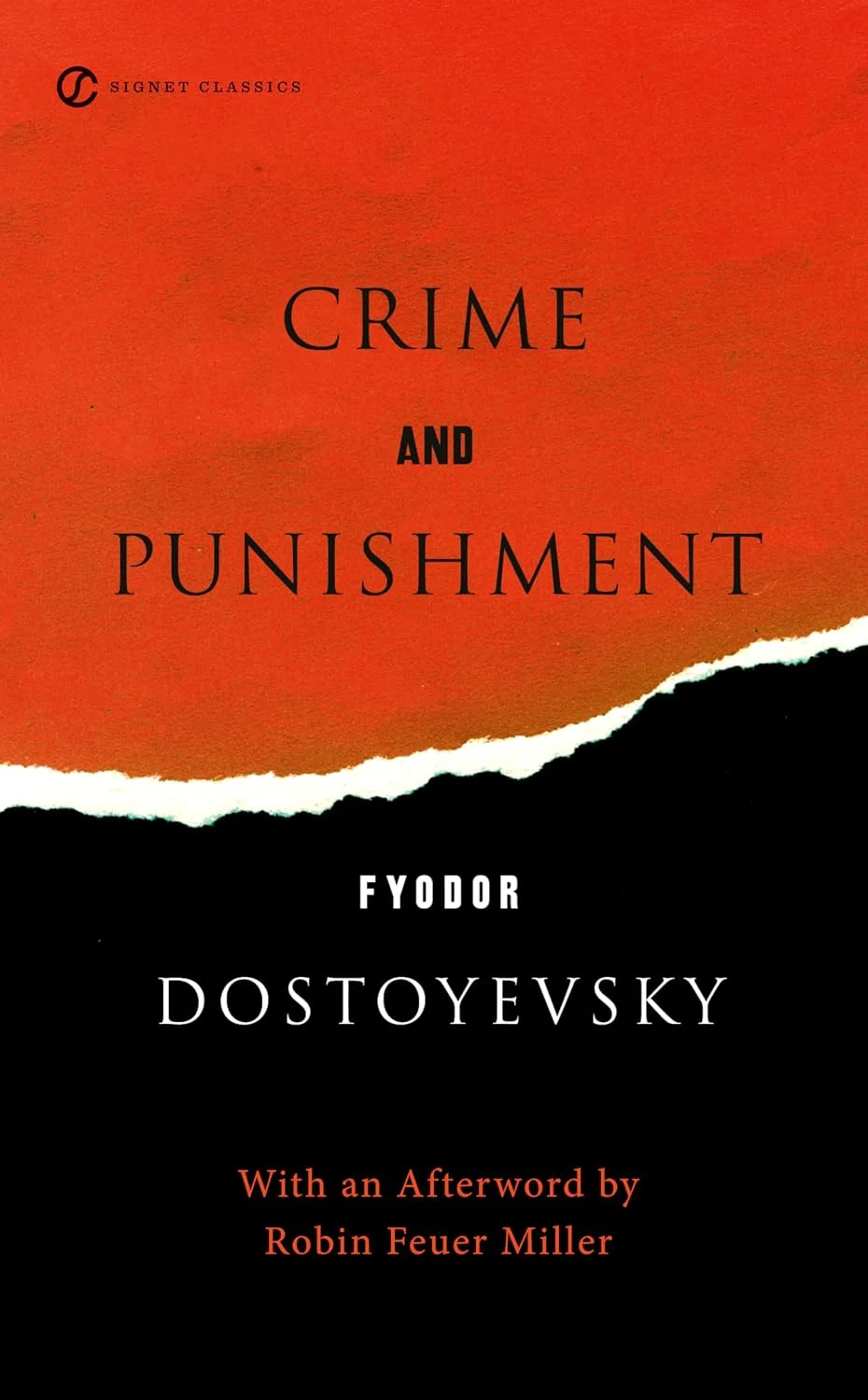
In Fyodor Dostoyevsky’s Crime and Punishment, an impoverished student believes that ordinary moral limits do not apply to him. Raskolnikov murders a pawnbroker he considers useless, only to find that his reasoning offers no protection against guilt and terror.
What makes this book compelling?
The psychological tension comes from the gap between what Raskolnikov can argue intellectually and what he can endure emotionally. His personal crisis gives concrete stakes to the novel’s religious, social, and philosophical questions about responsibility, suffering, and redemption.
Who might enjoy this book?
This is for readers who enjoy psychological thrillers driven by inner conflict and literary fiction that puts moral arguments under pressure. Expect a close examination of a mind struggling with the consequences of its own convictions.