
Editorial perspective
A Paris Bookshop, a Plea for Refuge, and a Forgotten Past
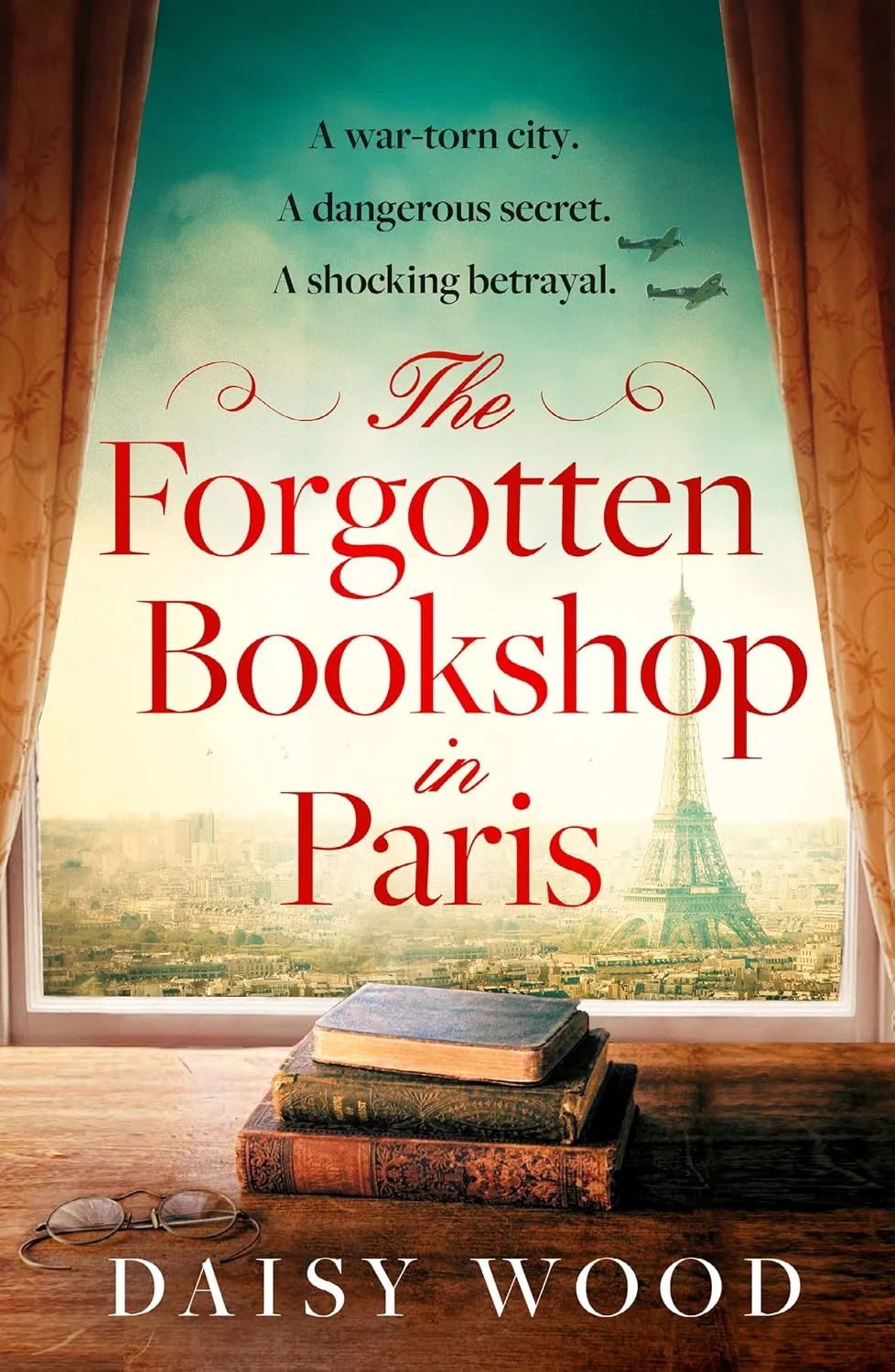
In Daisy Wood’s The Forgotten Bookshop in Paris, Jacques holds on to La Page Cachée in occupied Paris in 1940 while his wife is forced into hiding. When a woman and her child ask for shelter, he faces a choice that could put both himself and his shop in danger. In the modern day, Juliette arrives in France on a romantic trip that exposes the distance in her marriage, then discovers an abandoned bookshop for sale.
What makes this book compelling?
The wartime tension rests on a concrete dilemma: offering refuge could endanger one of the few things Jacques has left. Alongside that immediate threat, Juliette’s unexplained attraction to the empty shop introduces a quieter mystery, linking the two timelines through a place whose history remains concealed.
Who might enjoy this book?
For readers who enjoy dual-timeline historical fiction, this novel brings together occupied Paris, the personal risks of helping others, and the intrigue of a bookshop with a hidden history. Its setup also offers an emotional focus on marriage under very different kinds of strain.