
Editorial perspective
A Family Crisis Becomes Television, but Memory Tells Another Story
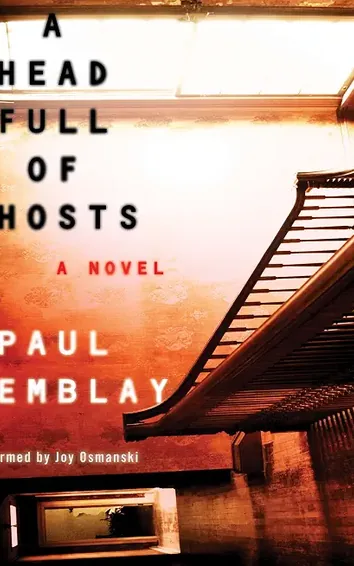
In Paul Tremblay’s A Head Full of Ghosts, fourteen-year-old Marjorie Barrett’s disturbing symptoms leave her suburban New England family searching for help as medical treatment fails to stop her decline. With money tight and her father out of work, her parents agree to a priest’s proposed exorcism—and a reality show documenting it. Fifteen years later, her younger sister Merry recounts childhood memories that don’t align with the televised version.
What makes this book compelling?
The horror draws on uncertainty between psychiatric illness and alleged possession, made more troubling by the cameras turning a household’s distress into entertainment. Merry’s retrospective account adds another source of unease: the gap between what an eight-year-old experienced, what she remembers, and what the broadcast presented.
Who might enjoy this book?
For adult horror readers drawn to family conflict, uncertain supernatural explanations, and stories that put competing accounts under pressure. It is especially suited to those interested in how television can shape the public story of private suffering.