
Editorial perspective
Forged Papers for Survival, Real Names Kept in Code
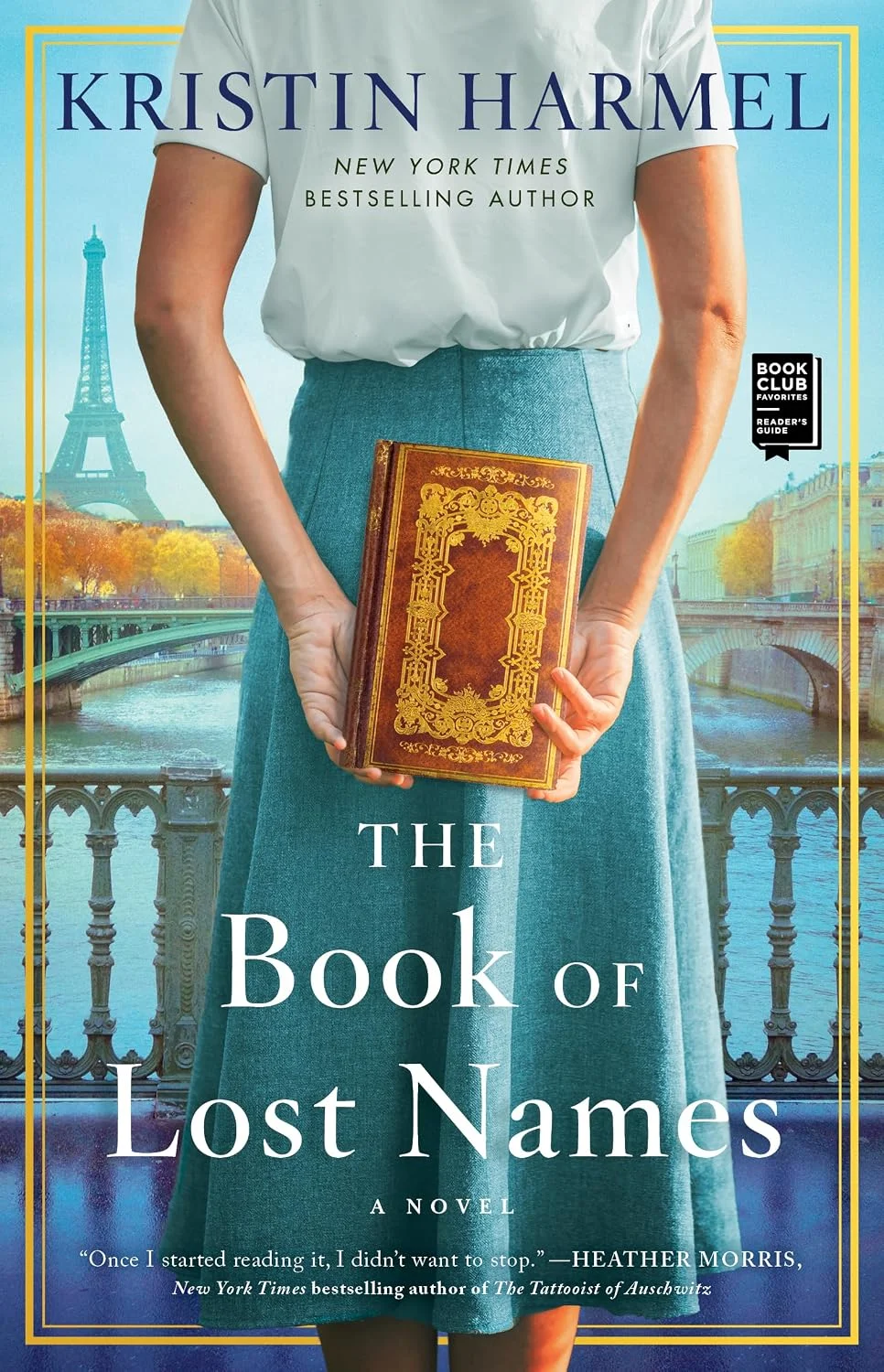
In Kristin Harmel’s The Book of Lost Names, semi-retired librarian Eva Traube Abrams spots a newspaper photograph of a coded religious text she last saw more than sixty years ago. Only she can explain its code, which connects her life in Florida to her wartime work forging identity documents for Jewish children in France.
What makes this book compelling?
Eva and fellow forger Rémy give children new identities while recording the names those papers conceal, making preservation as important as disguise. The tension between escaping danger and safeguarding identity gives the resistance story its emotional stakes, while the rediscovered book confronts Eva with memories she may not be ready to revisit.
Who might enjoy this book?
This is a strong fit for adult readers who enjoy World War II historical fiction centered on clandestine resistance work, endangered identities, and the lasting emotional consequences of wartime choices.