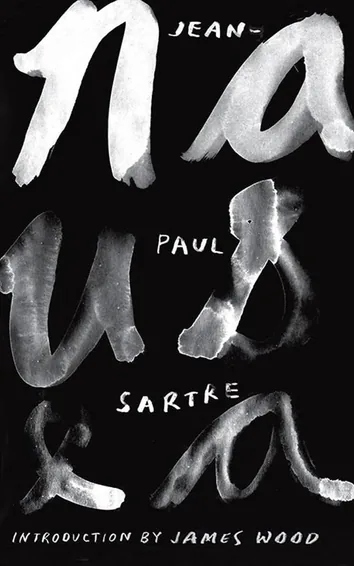

Nausea book cover by Jean-Paul Sartre
Amazon customers: 4.5 out of 5 · 2,841 ratings

Nausea

Adult • Fiction • Existentialism • Politics & Social Sciences • Philosophy
Antoine Roquentin confronts existence Impressionistic diary format Nausea symbolizes existential dread Set in 20th century France Explores the idea of self-awareness

Sartre's greatest novel ― and existentialism's key text ― now introduced by James Wood.Nausea is the story of Antoine Roquentin, a French writer who is horrified at his own existence. In impressionistic, diary form he ruthlessly catalogs his every feeling and sensation. His thoughts culminate in a pervasive, overpowering feeling of nausea which “spreads at the bottom of the viscous puddle, at the bottom of our time ― the time of purple suspenders and broken chair seats; it is made of wide, soft instants, spreading at the edge, like an oil stain.”Winner of the 1964 Nobel Prize in Literature (though he declined to accept it), Jean-Paul Sartre ― philosopher, critic, novelist, and dramatist ― holds a position of singular eminence in the world of French letters. La Nausée, his first and best novel, is a landmark in Existential fiction and a key work of the twentieth century.

Choose a book format
Paperback prices by retailer

Pick a format, then compare retailer prices. The main button points to the preferred option for the selected format.

Edition information

Book details

Publisher
New Directions
Publication date
March 25, 2013
Print length
192 pages
Language
English
ISBN
9780811220309

Fiction + Existentialism + Politics & Social Sciences

Reader guide

What to Know Before Reading Nausea

Sartre's greatest novel ― and existentialism's key text ― now introduced by James Wood.Nausea is the story of Antoine Roquentin, a French writer who is horrified at his own existence. In impressionistic, diary form he ruthlessly catalogs his every feeling and sensation. His thoughts culminate in a pervasive, overpowering feeling of nausea which “spreads at the bottom of the viscous puddle, at the bottom of our time ― the time of purple suspenders and broken chair seats; it is made of wide, soft instants, spreading at the edge, like an oil stain.”Winner of the 1964 Nobel Prize in Literature (though.

Join the Reader List

Join bks.social’s reader list for book recommendations, reader updates, featured titles, and occasional community news. No noise. Just the important things.

G-NRIS™ story intelligence

Why readers connect with Nausea

A concise view of the book’s strongest literary signals and the reading interests shared by people connected to it on bks.social.

Story profile

G-NRIS™ identifies Nausea primarily as Philosophical Fiction, Literary Fiction, and Existential Fiction. Its strongest themes include Existentialism, Alienation, Absurdity of Existence, and Self-Reflection. Prominent narrative patterns include Diary/Journal Format, Philosophical Monologue, and Introspective Protagonist.
Reader connection

Readers connected to this book most often reflect Psychological Moral Explorer reader archetypes. Their strongest shared genre interests include Thriller, Science, Literary Fiction, and Historical Fiction. They are commonly drawn to themes such as Exploring The Fractured Self, Survival, technology, and gaming.

About the author

Jean-Paul Sartre

Jean-Paul Sartre

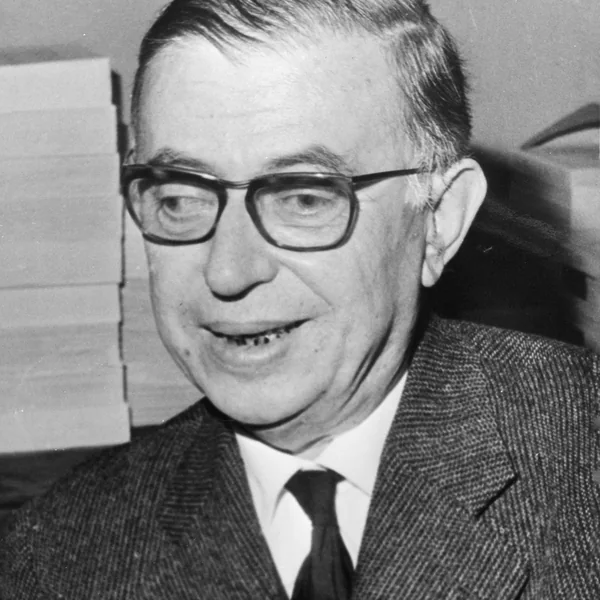
Novelist, playwright, and biographer Jean-Paul Sartre (1905-80) is widely considered one of the greatest philosophers of the twentieth century. His major works include "No Exit," "Nausea," "The Wall," "The Age of Reason," "Critique of Dialectical Reason," "Being and Nothingness," and "Roads to Freedom," an allegory of man's search for commitment, and not, as the man at the off-licence says, an everyday story of French country folk.
Author information: Wikipedia

Join the book lovers community

Continue the conversation in the Book Hub for Nausea

Visit bks.social’s Book Hub for reader discussions, reviews, posts, quotes, questions, reading activity, related books, and G-NRIS story intelligence.