

Reader connection
Readers connected to this book most often reflect General Literary Reader reader archetypes.
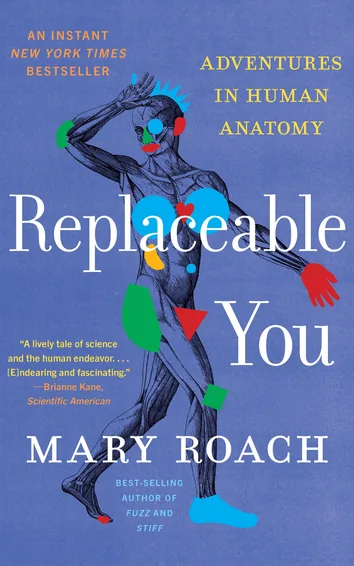
Mary Roach examines the quest to re-create the impossible complexities of human anatomy, tracing tools and techniques from historical improvisations to cutting-edge lab work. She documents how noses were sculpted from brass, skin borrowed from frogs, hearts taken from pigs, eye parts fashioned from jet canopies, and breasts built from petroleum by-products as precursors to current efforts.
Roach follows contemporary attempts to grow body parts from stem cells and 3D printers and asks practical questions: when might someone choose a prosthetic over a limb, can a donated heart be kept beating indefinitely, and can an intestine serve as a workable substitute for a vagina. Her travels include an OR at a burn unit in Boston, a xeno-pigsty in China, and a stem cell hair nursery in San Diego.
Pick a format, then compare retailer prices. The main button points to the preferred option for the selected format.
The description focuses on real-world medical experimentation and inventive workaround approaches to bodily failure. Much of the setup centers on practical dilemmas and technical challenges faced by researchers, surgeons, donors, and patients. The narrative emphasis is on travel to operating rooms, labs, and unusual clinical sites and on concrete questions about prosthetics, organ durability, and tissue substitution. This may appeal more to someone interested in science reporting about surgical practice, biomedical innovation, and hands-on field scenes.
Join bks.social’s reader list for book recommendations, reader updates, featured titles, and occasional community news. No noise. Just the important things.
A concise view of the book’s strongest literary signals and the reading interests shared by people connected to it on bks.social.
Readers connected to this book most often reflect General Literary Reader reader archetypes.

Visit bks.social’s Book Hub for reader discussions, reviews, posts, quotes, questions, reading activity, related books, and G-NRIS story intelligence.